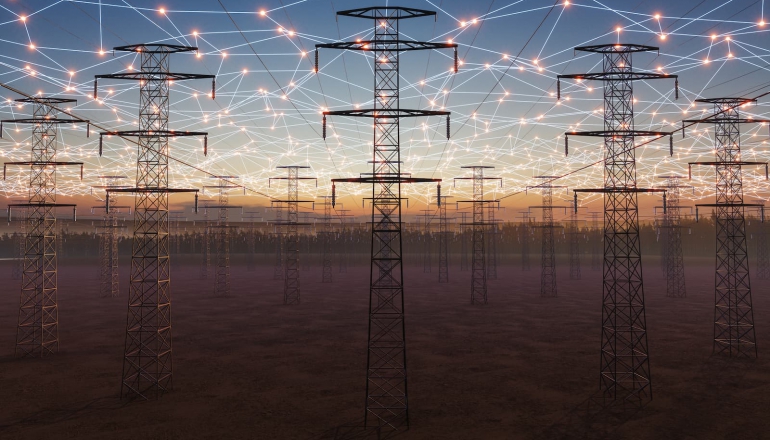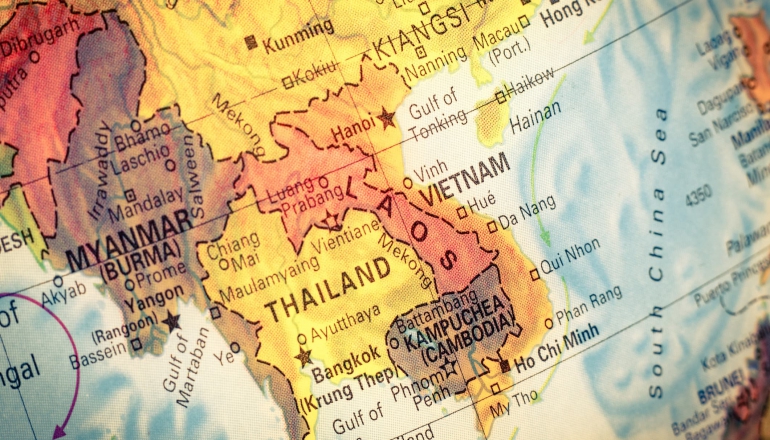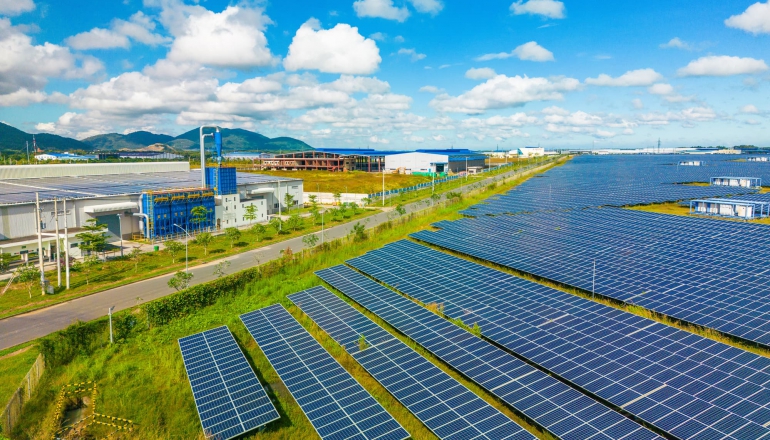
For manufacturers such as Cal-Comp Electronics (Thailand) Public Company Limited (CCET), renewable energy is increasingly shaping long-term investment decisions. (Photo: CCET)
On the factory floor, renewable energy is now a daily operational question rather than an abstract target.
For manufacturers such as Cal-Comp Electronics (Thailand) Public Company Limited (CCET), part of Taiwan’s Kinpo Group, these factors are central to long-term investment decisions. With operations in Thailand and exposure to broader regional dynamics, the electronics manufacturer offers a window into how energy conditions on the ground are shaping industrial strategy across the region.
Reliability as a baseline advantage
Before renewable energy even enters the equation, manufacturers must first ensure that electricity supply is stable enough to support continuous operations. Thailand has long held an advantage in this regard. The country maintains a reserve margin of around 30 to 40%, compared with roughly 10 to 20% in Vietnam, reflecting a more mature and buffered power system, said Tony Chou (鄒孔訓), group chief operating officer of Kinpo Group and general manager of CCET.
Chou pointed to past disruptions in Vietnam as a reminder of the risks. Around two years ago, manufacturers in northern Vietnam, including Taiwan-based contract manufacturer Compal Electronics, also part of the Kinpo Group, were forced to operate on reduced schedules due to power shortages, with some factories running only four days a week.
By contrast, power outages in Thailand are rare and typically resolved within minutes, supported by a more interconnected and responsive grid system, said Chou. For electronics manufacturing, where production lines often run around the clock, such stability is not a convenience, but a prerequisite. Even brief interruptions can lead to equipment damage, production losses, and costly downtime.
“Even if electricity costs are slightly higher in Thailand, we don’t experience power outages, and that keeps us competitive,” said Chou.
Thailand’s industrial power tariffs typically average around 3.5 to 3.8 baht (USD 0.11 to 0.12) per kWh, while Vietnam operates under a time-of-use pricing system where peak prices can reach about 4 baht (USD 0.12) per kWh and drop to roughly 1.5 baht (USD 0.045) during off-peak hours.
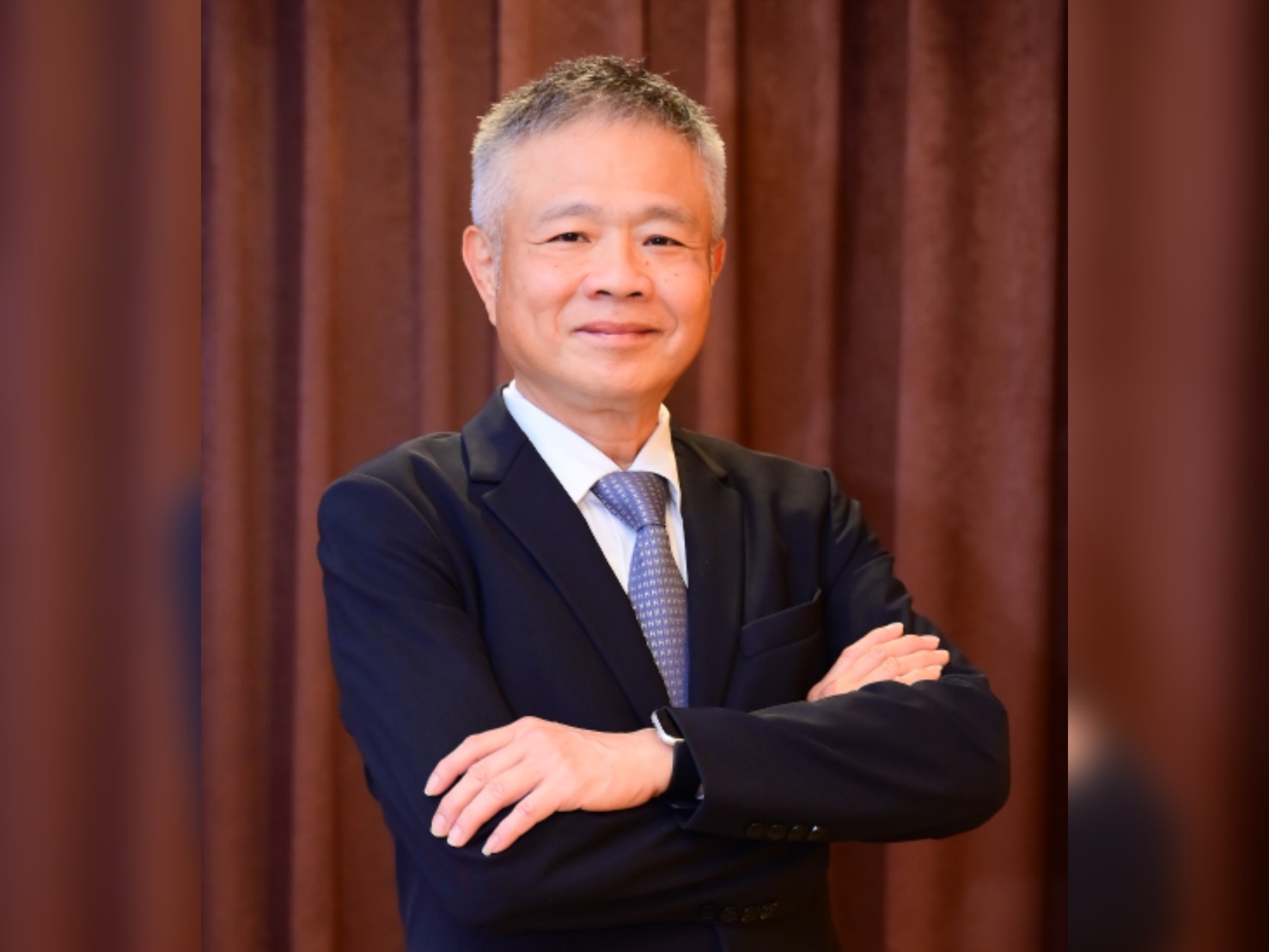 Tony Chou, group chief operating officer of Kinpo Group and general manager of CCET. (Photo: CCET)
Infrastructure and grid design as competitive foundations
Thailand’s advantage is also rooted in how power is delivered at the industrial level. Large-scale manufacturers typically operate with dedicated high-voltage infrastructure, including 115kV substations that are either required or strongly encouraged once operations reach a certain scale. These systems are physically separated from residential electricity networks, ensuring that fluctuations in household demand do not affect industrial operations.
At CCET, all three of its major industrial sites in Thailand are equipped with dedicated 115kV substations. Each substation is initially configured with around 30 MVA of capacity, providing stable power supply for production lines while allowing room for future expansion. The company has planned for its supply capacity to potentially double as manufacturing demand grows, Chou said.
In addition, Thailand’s grid structure incorporates redundancy through interconnected transmission systems, often described as a “ring grid,” allowing electricity to be rerouted in the event of disruptions.
In CCET’s case, its industrial sites are connected to power sources from both Phetchaburi and Ratchaburi provinces. This dual-source configuration enables electricity to be supplied from an alternate direction if one transmission line undergoes maintenance or experiences faults, significantly enhancing supply reliability, Chou added.
This is complemented by a relatively mature power market structure, where independent power producers (IPPs) and small power producers (SPPs) play a significant role. SPPs, in particular, can supply electricity directly to industrial users, creating a more flexible and diversified supply environment.
Together, these features illustrate that Thailand’s power reliability is not just a function of generation capacity, but embedded in system design and industrial planning.
Renewable energy remains company-led, not system-delivered
While reliability forms the baseline, renewable energy is increasingly shaping how manufacturers plan their future operations. In Thailand, access to renewable energy typically comes through a mix of on-site generation, bilateral power purchase agreements (PPAs), and renewable energy certificates such as I-REC.
CCET currently operates around 30 MW of solar capacity, with roughly 20 MW built and owned in-house. Initially, CCET relied on third-party developers to finance and operate solar installations, purchasing electricity through long-term agreements. However, as solar technology costs declined, the economics shifted.
“We initially relied on third-party solar providers, but as costs fell, it became more cost-effective to build and own the systems ourselves,” Chou said.
The company is now planning to expand its solar capacity by an additional 15 MW over the next three years, reflecting both cost considerations and increasing pressure from customers to decarbonize, he said.
Beyond solar expansion, CCET is also upgrading high-energy-consuming equipment such as chillers, air conditioning systems, air compressors, and injection molding machines with more energy-efficient alternatives, while introducing variable frequency drives to improve overall energy performance.
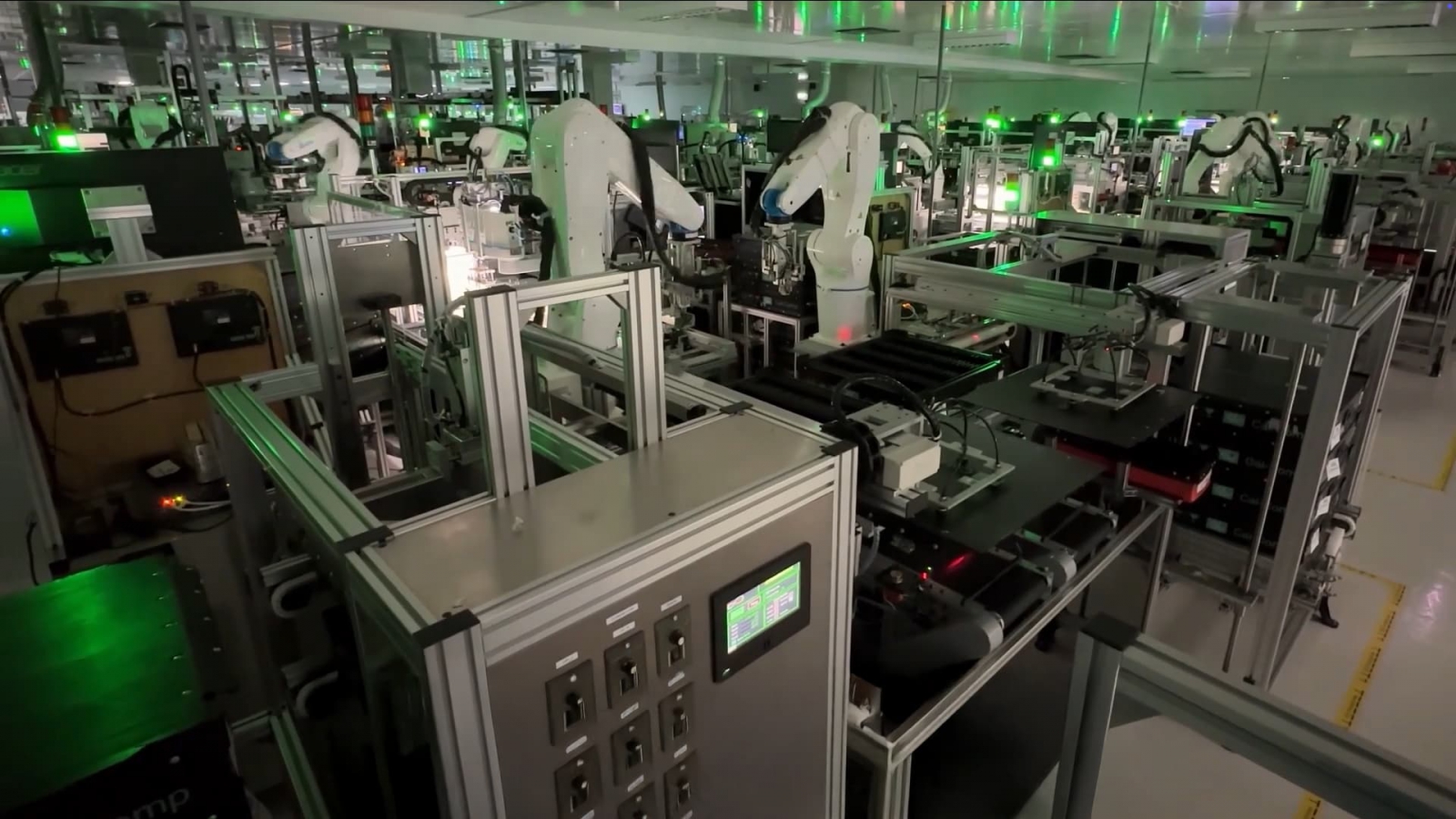
The company is also working with suppliers and logistics partners to reduce emissions across its value chain and is introducing automation systems, which may increase electricity use but are expected to reduce overall carbon emissions compared with labor-intensive processes.
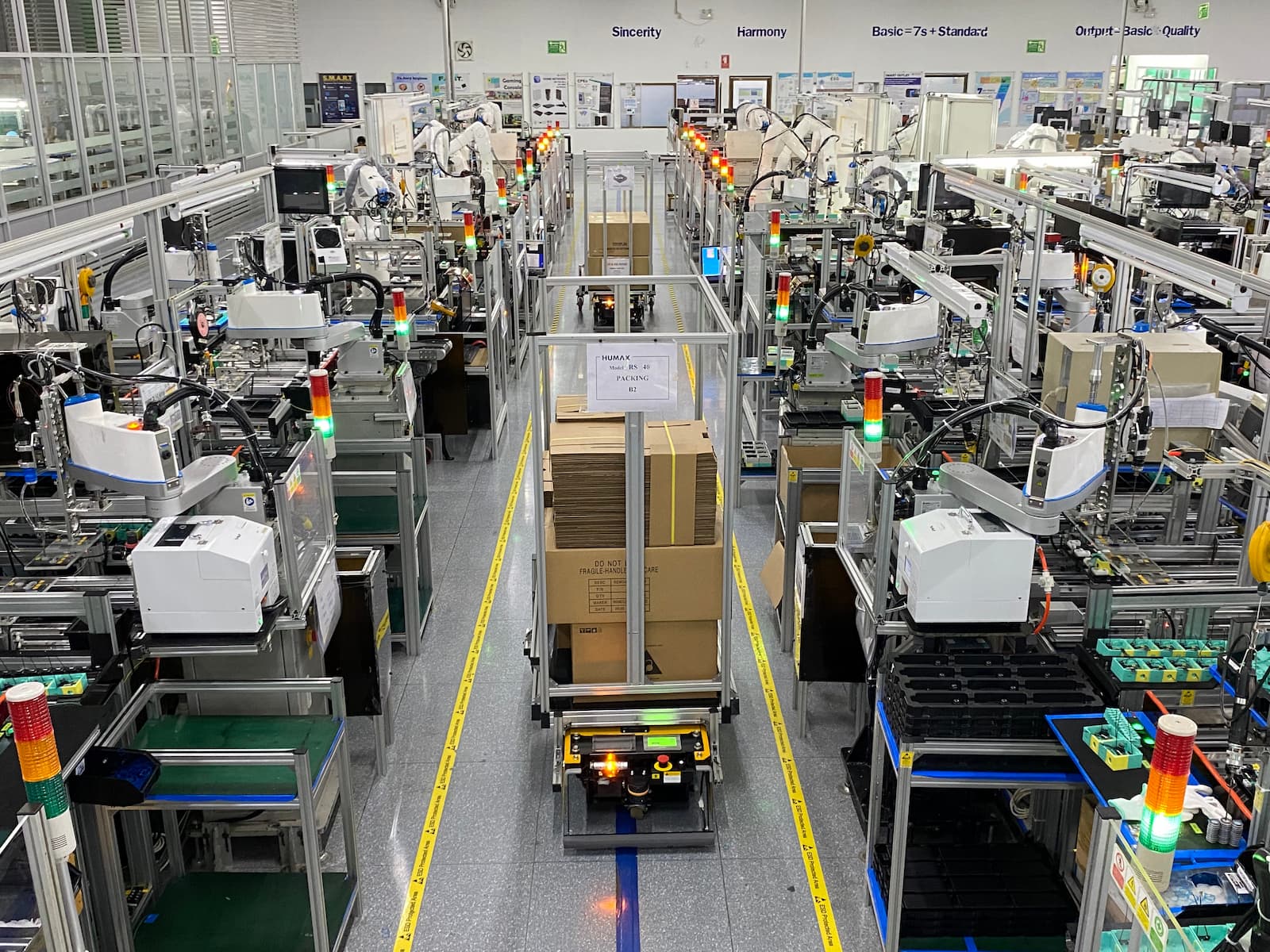
Beyond solar expansion, CCET is deploying automation systems to reduce emissions across its value chain. (Photo: CCET)
This shift highlights a broader reality across Thailand and Vietnam, where renewable energy access remains largely company-driven, rather than delivered through a fully integrated market system, as frameworks that can align all stakeholders have yet to be fully developed.
In Thailand, companies are generally not allowed to sell excess electricity back to the grid, and the ability to transfer power between facilities is restricted. This creates inefficiencies, particularly for solar generation, which is concentrated during daylight hours.
For manufacturers like CCET, whose energy consumption aligns closely with daytime production, most solar generation can be absorbed internally, Chou said. However, surplus electricity during weekends or low-demand periods often goes unused, he added.
At the same time, Chou said that energy storage remains economically challenging. While battery costs have been declining, they are still not low enough to support widespread adoption. While battery costs have been declining, they are still not low enough to make direct investment viable for most manufacturers. Storage systems today are typically deployed as part of bundled solutions offered by third-party energy providers, rather than being installed and owned directly by manufacturers.
From ESG target to supply chain requirement
Beyond cost and reliability, customer expectations are adding a new dimension to energy strategy. Global brands are increasingly requiring suppliers to meet specific decarbonization targets, including the use of renewable energy in production. At the same time, differing standards among clients, particularly regarding acceptable energy sources, are adding further complexity. Some accept renewable energy certificates, while others prioritize direct sourcing from solar or wind generation.
For CCET, this means energy procurement strategies must now align not only with cost and availability, but also with increasingly stringent and diverse customer expectations. While carbon credits remain part of the solution and are still considered “affordable” in Thailand, Chou said they are only a transitional measure. “In the long run, we need real renewable energy supply,” he said.
While Thailand has begun introducing mechanisms such as direct power purchase agreements to expand corporate access to renewable energy, participation remains limited and broader industrial access is still evolving. As a mature company listed on the Stock Exchange of Thailand, CCET could play a role in shaping how these mechanisms develop over time, Chou said.
“If companies cannot access affordable and sufficient renewable energy, it will affect where they invest. Energy policy ultimately shapes national competitiveness,” Chou said.
Vietnam vs. Thailand competitiveness' series
- Energy as a competitive lever: How Vietnam, Thailand compete for green manufacturing investment
- Energy as a competitive lever: How GreenYellow is building renewable energy solutions for manufacturers in Vietnam
- Energy as a competitive lever: WHAUP integrates green power and infrastructure for industrial growth
- Energy as a competitive lever: CCET navigates renewable opportunities and constraints in Thailand
- Why Vietnam’s rapid rise and Thailand’s slower growth tell different investment stories
- How Thailand and Vietnam’s power reforms will reshape corporate energy strategy
- Execution over incentives: Thailand and Vietnam’s structural investment shift
RECCESSARY’s upcoming webinar, “Beyond ASEAN: Mastering Decarbonization Strategy in Thailand & Vietnam,” will take place on April 21.
The session will unpack net-zero regulations, CBAM readiness, green power procurement strategies, and what lies ahead for low-carbon manufacturing across Vietnam and Thailand.
Seats are limited. Register now.