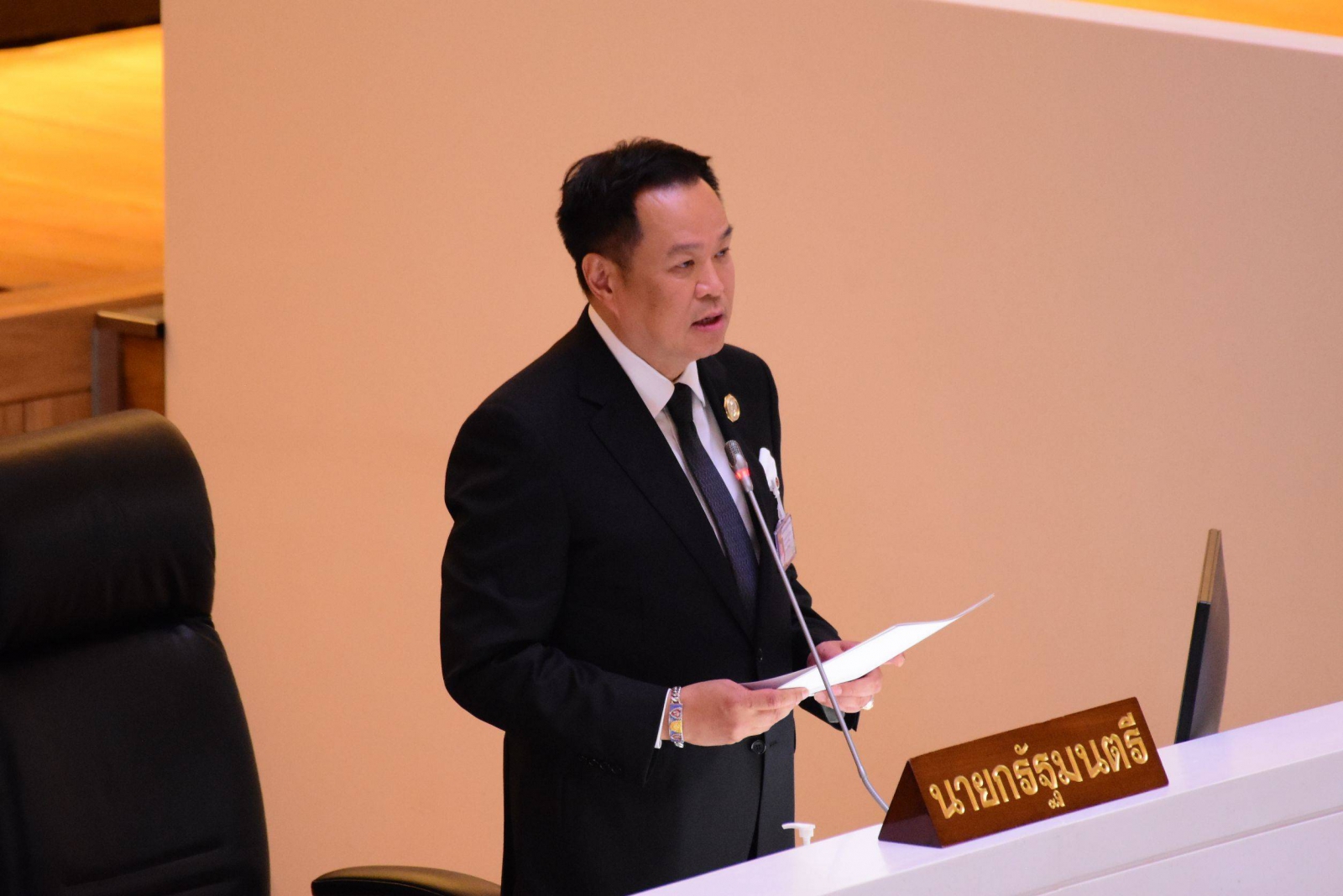
Prime Minister Anutin Charnvirakul outlined a response focused on biofuels, electricity reform, and clean energy deployment. (Photo: Royal Thai Government)
Thailand’s new government is stepping into office with the global energy crisis as its first major policy test, with rising fuel costs adding immediate pressure to an already weakening economic outlook.
In a policy statement to parliament on April 9, Prime Minister Anutin Charnvirakul set out a response centred on biofuel expansion, electricity market reform, and faster clean energy deployment, positioning higher energy prices as a “new normal” likely to persist over the next one to two years. The administration is maintaining its target of at least 3% annual GDP growth, even as external headwinds intensify.
The World Bank has downgraded Thailand's 2026 economic growth forecast to 1.3%, placing the country among the most exposed Southeast Asian economies to the current energy shock.
Unlock the full article to explore three key takeaways:
- Thailand is deploying B20 biodiesel at a 5 baht per liter discount to standard diesel, using blending mandates simultaneously to ease logistics sector costs and stabilize domestic palm oil prices ahead of peak harvest season.
- The government is advancing DPPA access for corporate green power procurement and opening the electricity market to household rooftop solar, framing the energy crisis as an accelerant for clean energy transition rather than a trigger for broad fuel subsidies.
- A “super licence” mechanism expected within 180 days is designed to streamline business approvals and reduce operating costs, signaling that the government sees structural reform, not just energy pricing.