.jpg)
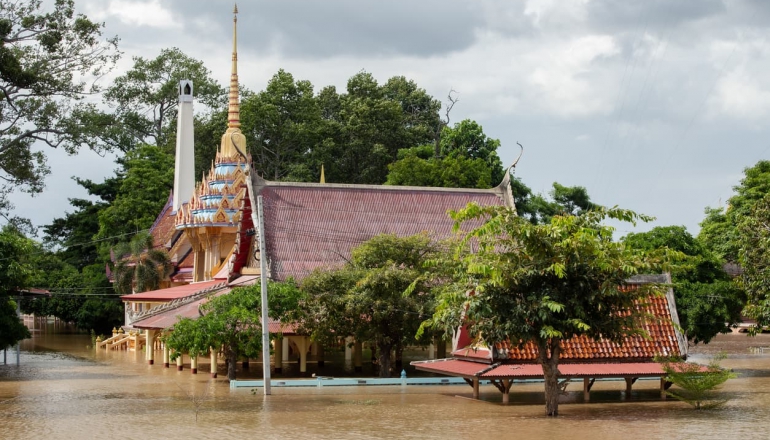
Severe flooding submerges streets across Songkhla province in southern Thailand. (Photo: iStock)
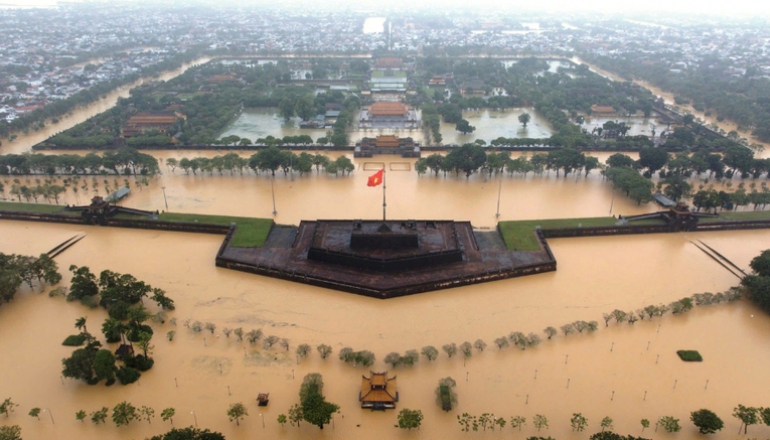
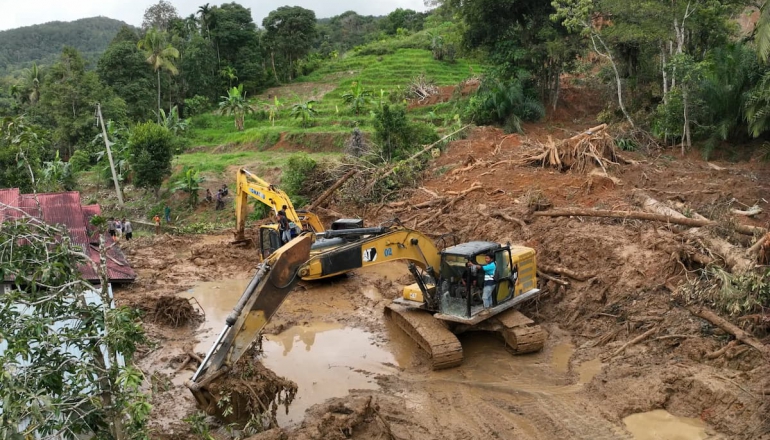
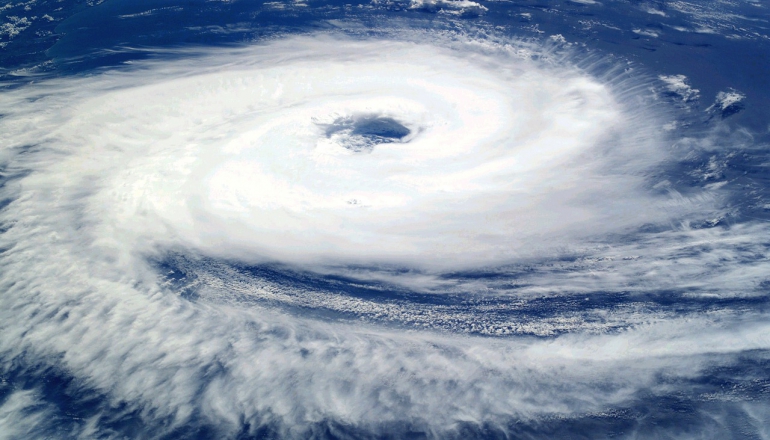
A series of typhoons and tropical cyclones in November swept across the Philippines and Indonesia, reaching as far as Vietnam, Thailand, and even Sri Lanka, leaving more than a thousand people dead and displaced millions. Intensified by climate change, the extreme rainfall overwhelmed infrastructure across the region, exposing the lack of adequate climate adaptation in these countries. As government responses fall short, how should businesses prepare for the growing risks?
Severe flooding in Southeast Asia exposes vulnerability of tech and manufacturing industries
The scale of climate-related losses is becoming increasingly difficult to ignore. Preliminary estimates from governments and experts suggest that flooding in November alone caused at least USD 20 billion in economic damage—nearly equivalent to the full-season disaster losses typically seen across the Asia-Pacific. According to UK-based insurance firm Aon Plc., seasonal floods in the western Pacific in 2024 caused an estimated USD 25 billion in losses.
While detailed sector-by-sector data is not yet available, even traditionally resilient industries such as technology and manufacturing have felt the impact.
The scale of climate-related losses is becoming increasingly difficult to ignore. Preliminary estimates from governments and experts suggest that flooding in November alone caused at least USD 20 billion in economic damage—nearly equivalent to the full-season disaster losses typically seen across the Asia-Pacific. According to UK-based insurance firm Aon Plc., seasonal floods in the western Pacific in 2024 caused an estimated USD 25 billion in losses.
While detailed sector-by-sector data is not yet available, even traditionally resilient industries such as technology and manufacturing have felt the impact.