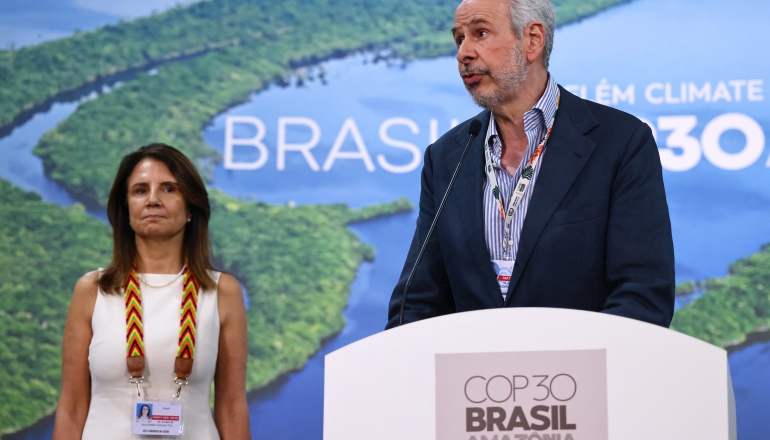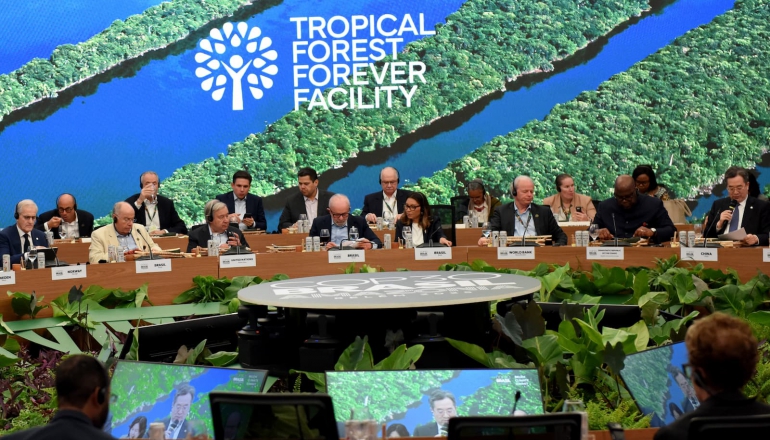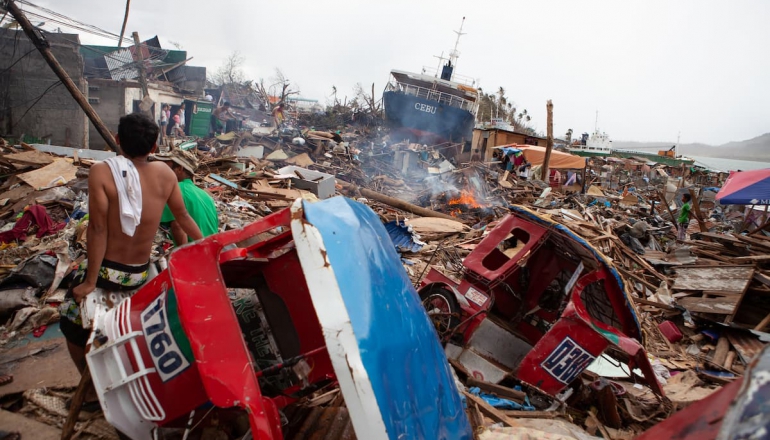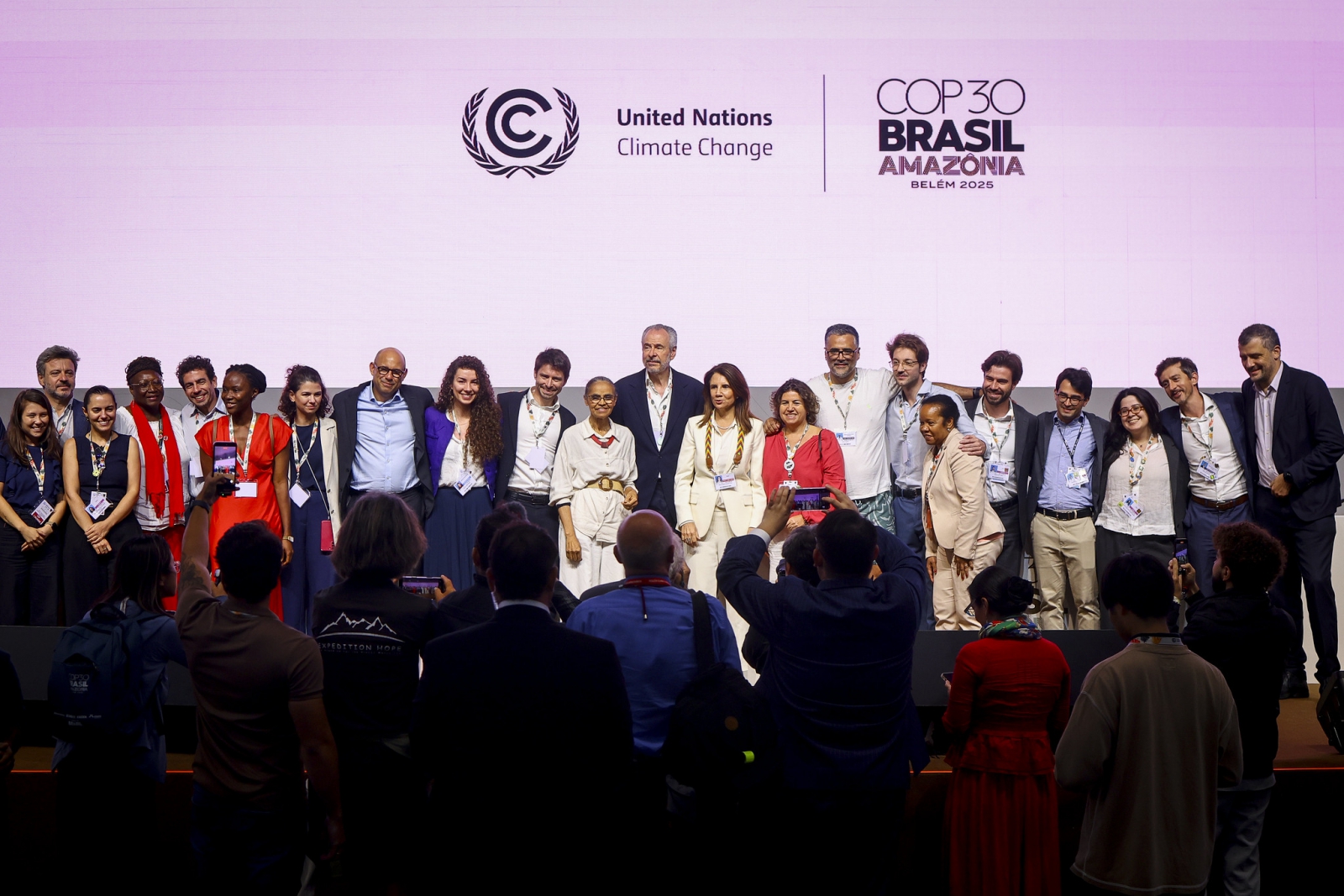
COP30 closed after two charged weeks in Belém, defined by heated disputes over fossil fuels, finance, forests, critical minerals and carbon markets. (Photo: COP30)
COP30 closed on Saturday after two charged weeks in Belém. A fire that briefly disrupted the venue became an apt metaphor for a summit defined by heated disputes over fossil fuels, finance, forests, critical minerals, and carbon markets. RECCESSARY outlines five takeaways from the summit, and what still lies ahead.
1. Fossil fuel roadmap collapsed into a voluntary side initiative
Brazil entered the summit seeking agreement on a roadmap to put COP28’s fossil fuel transition pledge into practice. More than 80 nations backed the push, but countries reliant on fossil revenues rejected any mention of phase-out or even a formal process to discuss it.
With consensus blocked, the COP30 presidency substituted the plan with a voluntary opt-in initiative, a far weaker outcome than President Luiz Inácio Lula da Silva had envisioned. The downgrade triggered immediate pushback. Several delegations argued that the summit could not credibly conclude without stronger commitments to cut emissions, and Colombia, Panama, and Uruguay raised repeated objections before COP30 President André Corrêa do Lago suspended the plenary for consultations.
After tense overnight talks, the EU agreed on Nov. 22 not to block the final package, while stressing it did not endorse the outcome. Colombia’s negotiator noted that fossil fuels remain the single largest driver of global warming and said the country could not support an agreement that ignored science.