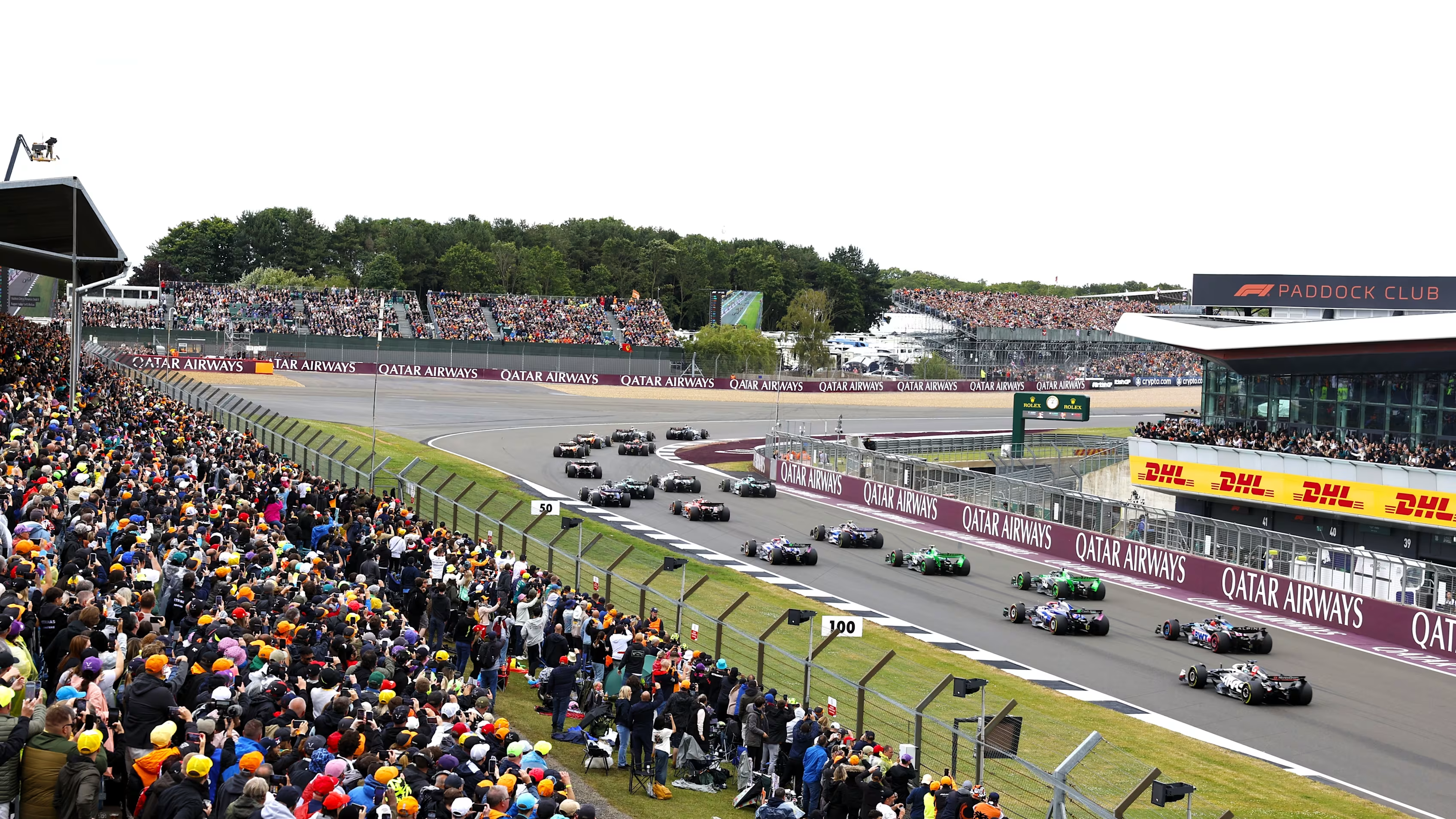
According to the F1 report, carbon emissions were reduced by 26% by the end of 2024 compared to its 2018 baseline. (Photo: F1)
While the Brad Pitt-led racing film F1: The Movie is drawing global attention to the sport's adrenaline-fueled action, Formula 1 itself is making headlines off the track for a different kind of race—its push toward sustainability.
According to its latest report, the sport reduced carbon emissions by 26% by the end of 2024 compared to its 2018 baseline. With five years remaining until its 2030 net-zero target, F1 has already passed the halfway mark—raising the question, how is the sport achieving such significant progress?
F1’s biggest emissions come from logistics and travel, not the cars
F1’s carbon reduction journey started in 2019, when then-CEO Chase Carey announced the sport’s goal to achieve net-zero emissions by 2030. Since then, F1 has launched an intensive decarbonization effort.
Surprisingly, the race cars themselves contribute only a small fraction of the sport’s total emissions. According to F1’s data, 37% of emissions come from logistics, 36% from business travel, 14% from factories and facilities, and 13% from event operations. Fuel used in cars accounts for less than 1%, making logistics and travel the primary challenges in reducing F1’s carbon footprint.