.jpg)
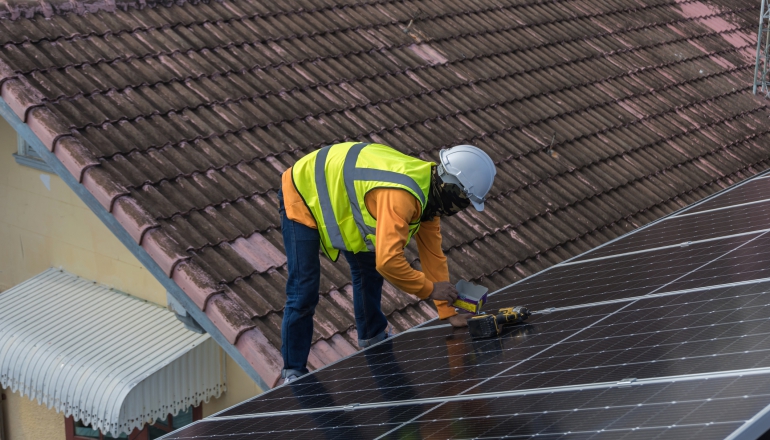
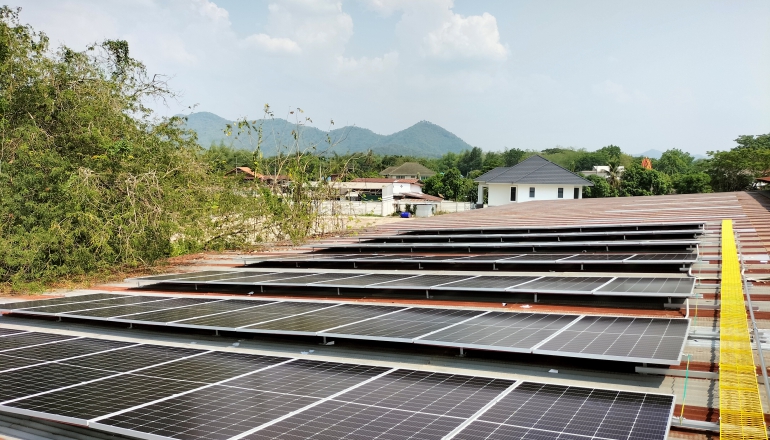
Thailand aims to scale its rooftop solar buyback scheme to 500 MW, offering households THB 2.2 per kWh for surplus electricity under 10-year contracts. (Photo: iStock)
Thailand is expanding its residential rooftop solar buyback program fivefold. The government is introducing green loan products and streamlined permitting reforms to address financing and approval bottlenecks that have constrained household adoption for more than a decade.
The Provincial Electricity Authority (PEA) is in discussions with state-owned and private banks to develop dedicated green loan products for households participating in the government’s rooftop solar buyback scheme.
At the same time, authorities are restructuring the approval process by designating the PEA and Metropolitan Electricity Authority (MEA) as one-stop service providers.
What’s slowing Thailand’s rooftop solar adoption?
The buyback scheme, approved by the National Energy Policy Council, allows homeowners to sell surplus electricity from on-grid solar systems back to the grid at THB 2.2 (USD 0.068) per kWh under 10-year contracts. The government has set a 500 MW target for the program, marking a significant expansion from the previous 90 MW quota.
Unlock the full article to explore three key takeaways:
- Thailand has expanded its rooftop solar buyback program from 90 MW to 500 MW, offering households THB 2.20 per kWh under 10-year contracts, though financing barriers such as property collateral requirements and back-loaded interest rates remain unresolved.
- Financing access and permitting delays remain the two biggest barriers to residential solar adoption in Thailand, with the latest reforms targeting both through green loans and a one-stop approval system.
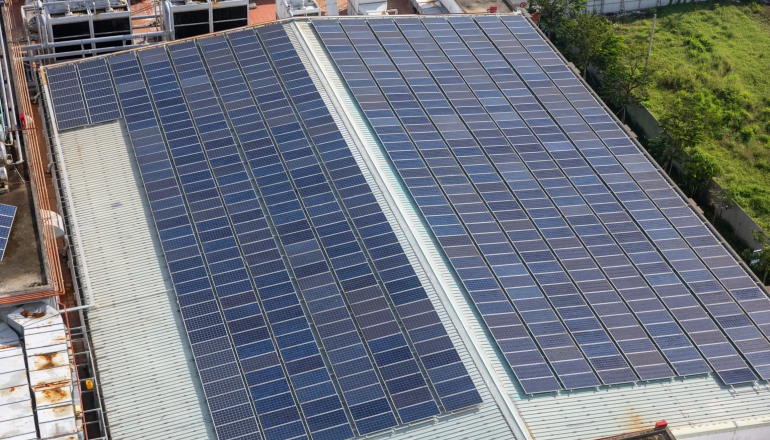
- Thailand’s rooftop solar market could reach 9 GW by 2037, versus roughly 1.8 GW installed in 2023, with most current deployment concentrated in the commercial and industrial sectors rather than residential users.