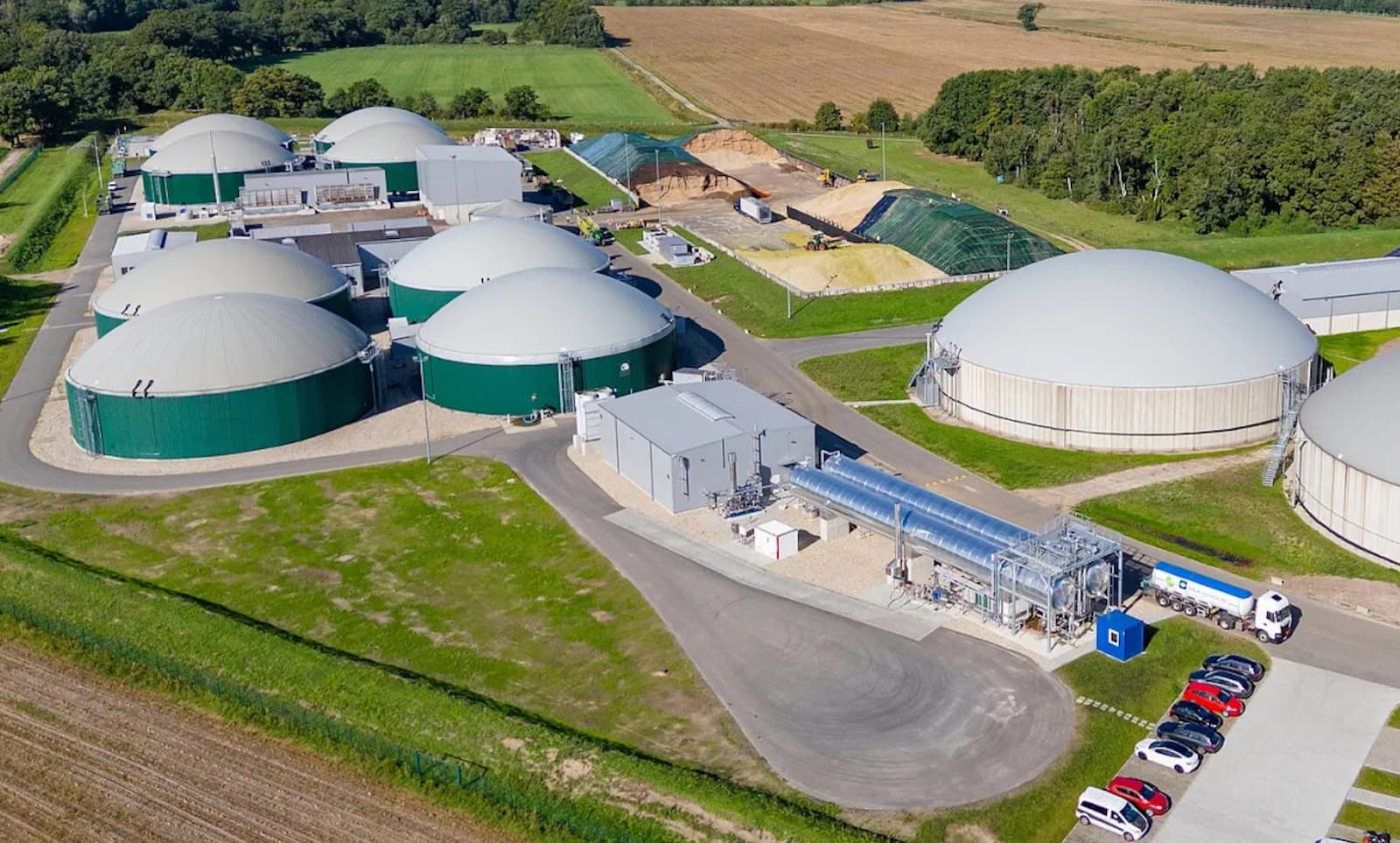
Southeast Asia’s biogas potential reaches about 775,000 GWh annually, yet only around 1% has been developed. (Photo: Envitec)
The Iran war has pushed global gas markets back into focus. Concerns over supply disruptions through key energy shipping routes have once again highlighted the vulnerability of fossil fuel-dependent energy systems.
Biomethane could be a renewable substitute for natural gas, particularly in regions seeking to strengthen energy security while accelerating decarbonization. Southeast Asia, with its large agricultural base and organic waste streams, holds significant untapped potential. According to recent estimates, the region’s theoretical biogas potential reaches around 775,000 GWh per year, yet only about 1% has been developed so far.
“Hopefully the pressure on gas prices give us a good window to see that this is an opportunity to start building up that supply chain and utilization infrastructure for this resource that is already in our backyard,” said Kevin Low, principal at advisory firm Blunomy.
During a webinar on Mar. 6 titled “Unlocking Biomethane for Decarbonisation in Southeast Asia: Perspectives from Malaysia and Indonesia,” hosted by the ISEAS–Yusof Ishak Institute’s Climate Change in Southeast Asia Programme, experts examined regional resource potential, policy drivers, and emerging export opportunities.