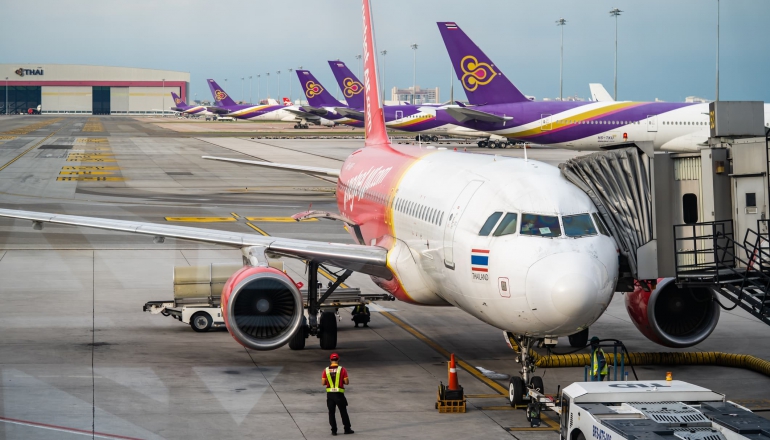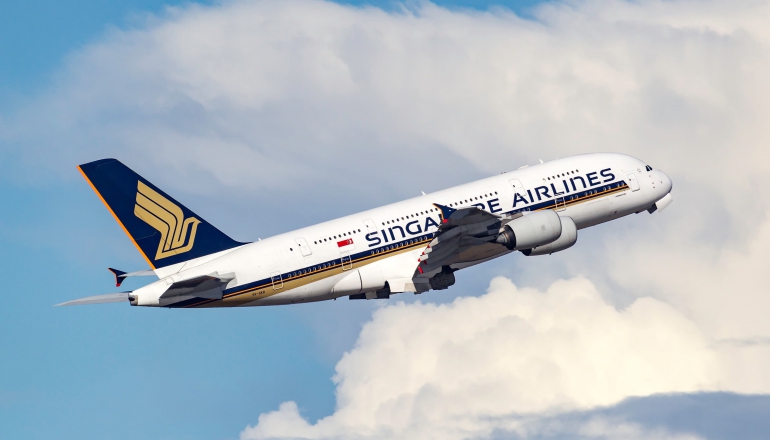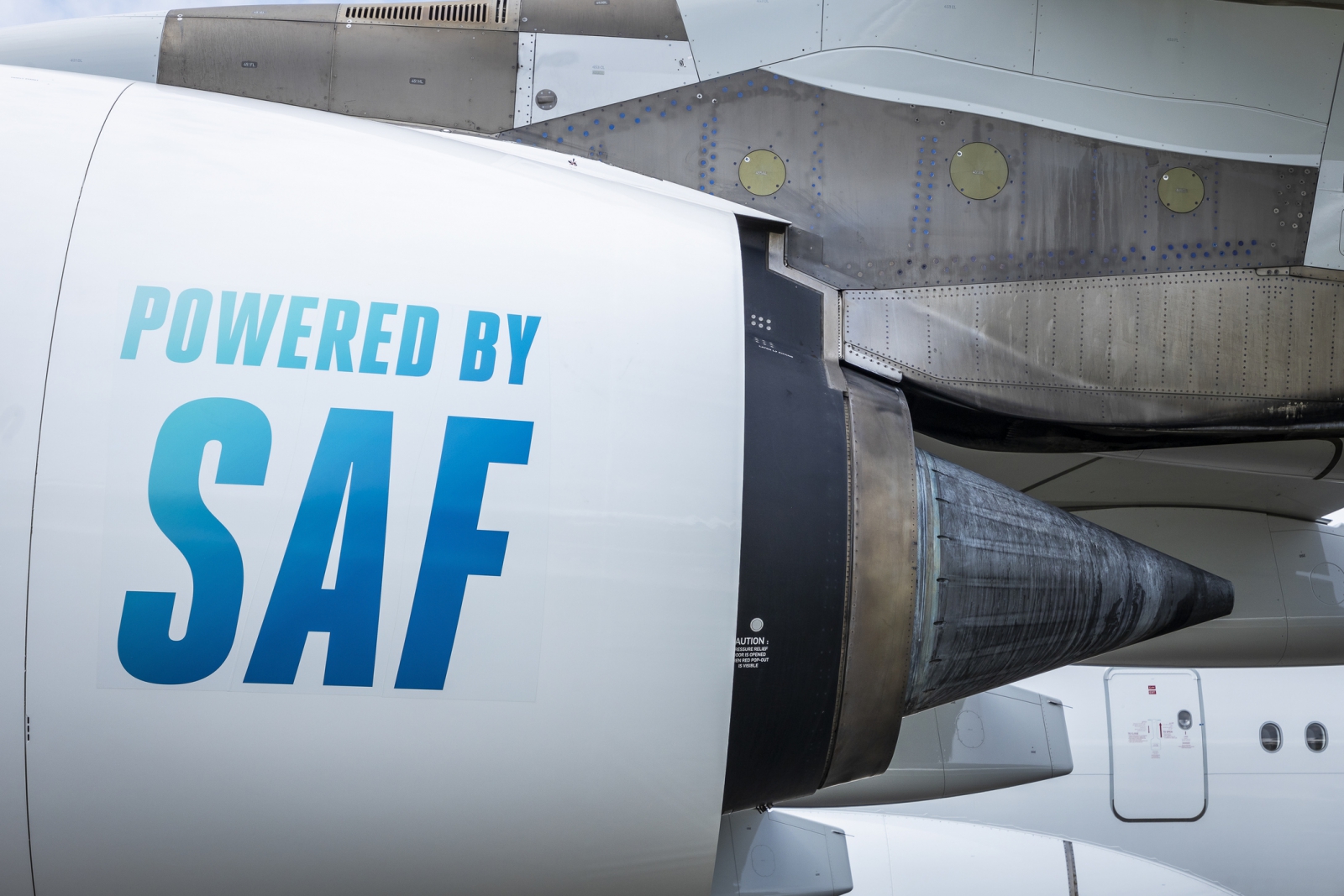
Sustainable aviation fuel is widely seen as one of the most effective solutions for decarbonizing the aviation industry. (Photo: iStock)
The Iran war has jolted global energy markets and renewed attention on bioenergy. Sustainable aviation fuel (SAF), produced from bio-based feedstocks, is widely seen as one of the key solutions for decarbonizing the aviation industry. Yet the sector still faces major hurdles, including limited output and high costs. In this article, RECCESSARY examines the issue from a technological perspective, breaking down SAF’s cost structure and taking a closer look at emerging SAF technologies with strong growth potential.
Jet fuel prices have swung more sharply than global crude oil prices
Jet fuel prices typically move closely with global oil prices. Since the outbreak of the Middle East conflict, however, jet fuel prices have doubled, while international crude prices have risen by only about one third. The sharp price swings have rattled airlines around the world.
Existing hedging strategies have also proved insufficient. In its earnings release on March 11, Hong Kong based Cathay Pacific said its past hedging operations were focused mainly on crude oil rather than jet fuel. Chief Financial Officer Rebecca Sharpe acknowledged that this left the airline unable to fully cushion the impact of a rapid rise in aviation fuel prices.
Airlines in some countries face even greater exposure. Major carriers in the U.S. and China have generally not been accustomed to signing hedging contracts, leaving them fully exposed to surging fuel prices. Without effective hedging in place, profitability is likely to come under direct pressure. The strain could be even more severe for low-cost carriers, whose business models are more sensitive to shifts in operating costs.
Unlock this analysis to learn three key takeaways:
- The Iran war has sent jet fuel prices soaring, leaving airlines exposed to weak hedging and mounting operational pressure.
- Although HEFA remains the only commercially available SAF pathway, limited feedstock supply and significantly higher costs than conventional jet fuel are slowing wider adoption.
Alcohol to Jet (AtJ) and advanced Fischer Tropsch (FT) technologies are gaining ground in Asia and could help lower costs and expand output, making them key to SAF growth.