RECCESSARY’s “ASEAN Weekly” highlights Southeast Asia’s new energy and carbon market updates. (Image: RECCESSARY)
This week’s major ASEAN energy developments include Malaysia’s Sarawak state officially launching cross-state power transmission to Sabah, laying the groundwork for the future export of up to 1 GW of green electricity to Singapore. In Vietnam, Hanoi is accelerating rooftop solar deployment, targeting a 50% self-consumption solar adoption rate for commercial office buildings, while considering regulatory easing to unlock further investment.
On the carbon market front, Saudi Arabia’s sovereign wealth fund is teaming up with Asian partners to scale up carbon project development across the Global South, betting on Asia’s pivotal role in the global energy transition and its potential to anchor emerging carbon markets. Below are the key energy and carbon market highlights from Dec. 8 to Dec. 12.
Sarawak advances Borneo Power Grid, eyes 1 GW renewable export to Singapore
The Malaysian state of Sarawak is advancing its push for a connected regional grid, as it begins exporting 30 MW of electricity to Sabah on Dec. 4 and prepares to export up to 1 GW to Singapore.
“I told the Singaporean ministers that it is not ordinary energy that we are supplying—it’s green energy,” said Sarawak Premier Tan Sri Abang Johari Tun Openg. The state sees cross-border connectivity as the backbone of its long-term strategy to become a regional renewable energy hub. Read more here
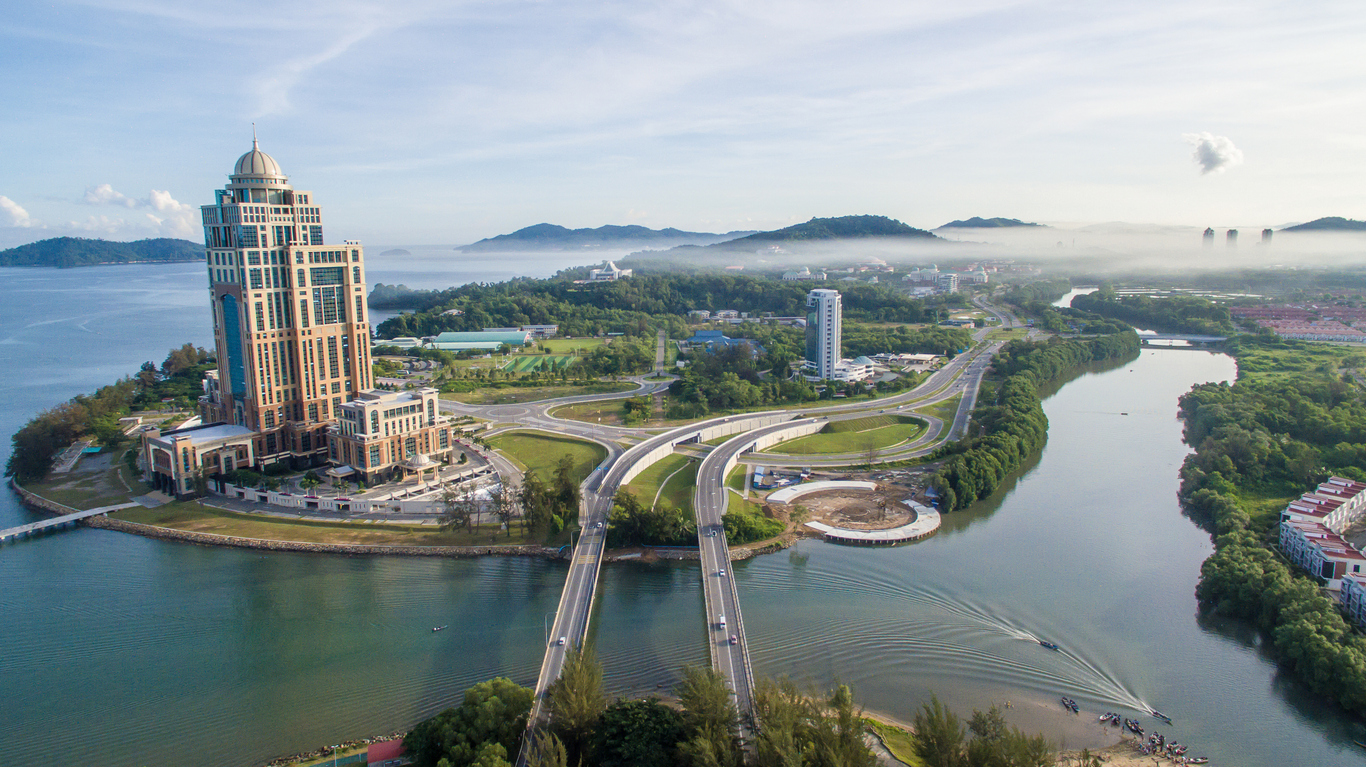 Sarawak Energy has begun exporting 30 MW of electricity to Sabah as part of its push for the Borneo Power Grid. (Photo: iStock)
Hanoi targets 50% of office buildings to use rooftop solar for self-consumption
Hanoi has outlined an ambitious power development plan that aims to lift the city’s solar capacity to 1,500 MW by 2030, with a strong focus on accelerating rooftop solar deployment. The city targets 50 percent of office buildings to be equipped with rooftop solar systems, limited strictly to self-consumption.
Local officials argue that regulatory bottlenecks—particularly for installations in industrial parks—remain the major barrier to scaling up rooftop deployment and have called on the central government to ease existing rules to expedite the energy transition. Read more here
Japan exits Vietnam nuclear plant project, setting Korea up as leading contender
Vietnam’s plan to revive nuclear power has hit turbulence after Japan withdrew from the Ninh Thuan 2 project, citing an overly compressed construction schedule.
The exit raises fresh concerns over Vietnam’s already strained power supply outlook.Tokyo, however, has not ruled out future cooperation on small modular reactors (SMRs) or other nuclear initiatives. With Japan stepping back, investors from France, South Korea, and the United States are reportedly expressing strong interest. Read more here
Saudi Arabia deepens Asia ties to expand Global South carbon projects
Saudi Arabia is sharpening its focus on Asia and the wider Global South as it seeks to position itself at the center of emerging carbon markets.
The state-backed Regional Voluntary Carbon Market Company (RVCMC) on Dec. 3 signed separate cooperation agreements with Japan’s trading house Marubeni and Singapore-based carbon finance firm Climate Bridge International (CBI), aiming to accelerate project development and expand its regional market footprint. Read more here
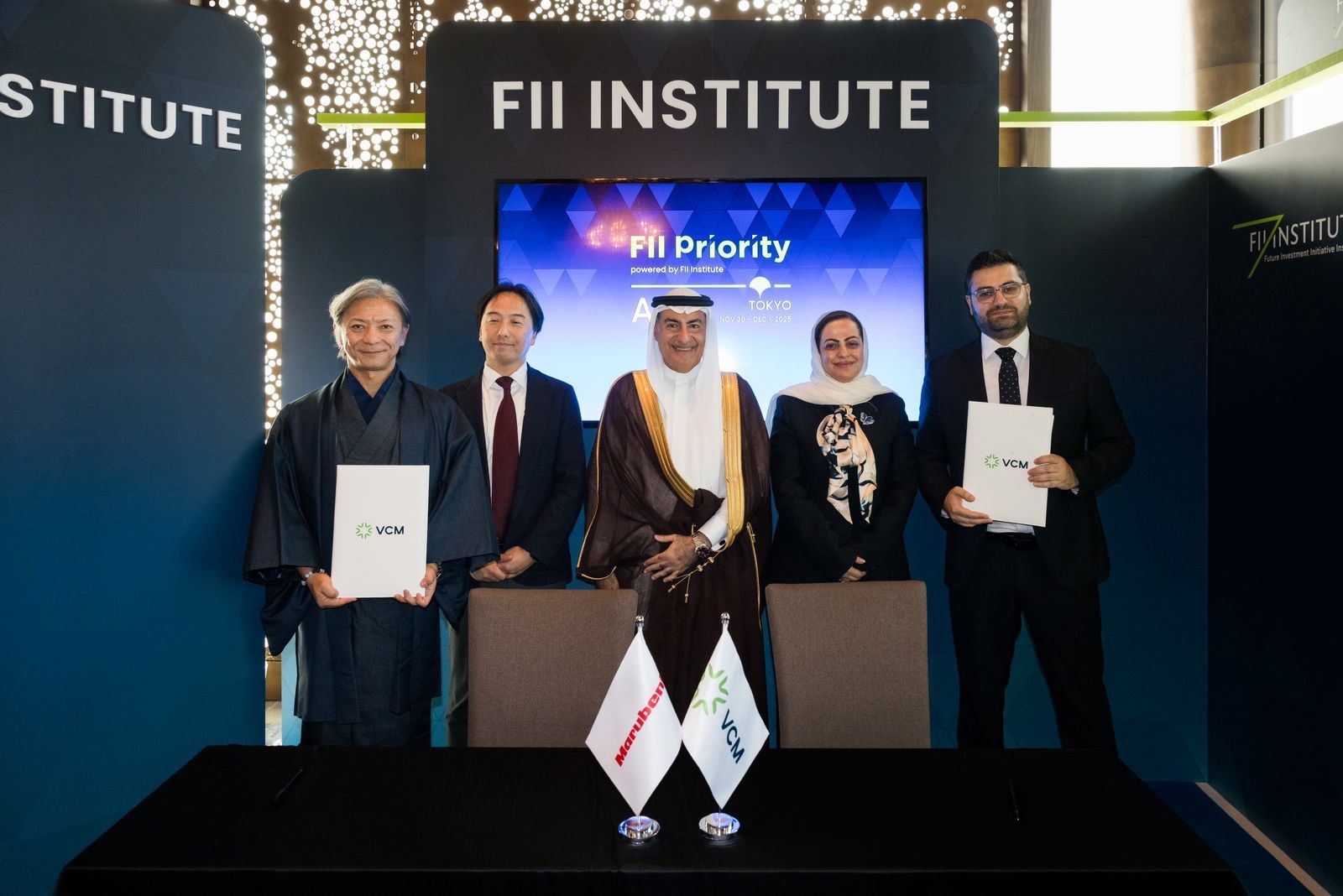 Saudi Arabia’s RVCMC signs a MoU with Japan’s Marubeni. (Photo: RVCMC)
Philippines uses ASEAN Chair to drive cross-border subsea cables, grid connectivity
The Philippines, which has taken over the ASEAN chairmanship, plans to strengthen regional grid interconnections and accelerate work on the ASEAN Power Grid (APG).
The Department of Energy (DOE) aims to release a policy framework in January 2026, focusing on issues such as cross-border subsea cable development. The framework is expected to take effect in October of the same year, pending approval from ASEAN member states. Read more here
Track ASEAN energy and carbon markets with clarity. Subscribe to RECCESSARY for policy intelligence and business-ready insights across Asia-Pacific.